 info@digimediaxperts.com
 5, Federal Street Boston

The Future of Digital Marketing in 2026: How Businesses Can Stay Ahead in a Rapidly Evolving Digital World
Digital marketing in 2026 is no longer just about online presence or running advertisements across social media platforms, but has evolved into a highly data-driven, AI-powered, and customer-centric ecosystem that requires businesses to think strategically about every interaction they have with their audience. Today’s digital landscape is shaped by advanced technologies such as artificial intelligence, machine learning, automation systems, predictive analytics, and personalized content delivery, all of which are transforming how brands communicate, engage, and convert potential customers into loyal clients. Businesses that fail to adapt to this rapidly changing environment risk falling behind competitors who are actively leveraging these technologies to create smarter, faster, and more efficient marketing systems.
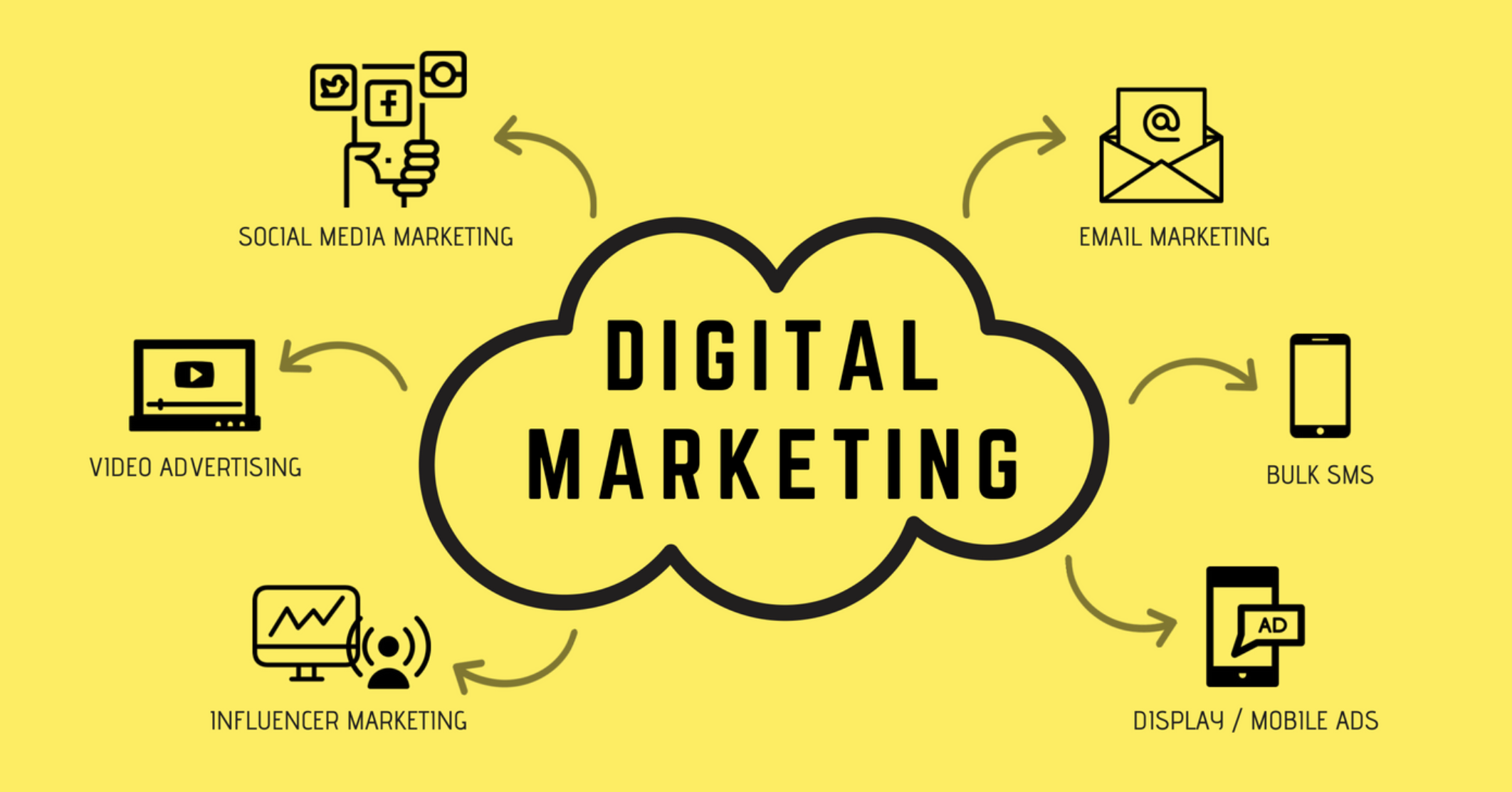
At :contentReference[oaicite:0]{index=0}, we have observed that successful digital transformation requires more than just tools and platforms; it demands a complete shift in mindset where businesses prioritize customer experience, data intelligence, and automation-driven decision-making. Modern consumers expect highly personalized interactions across multiple channels including websites, social media, email, search engines, and mobile applications. This means brands must now create unified digital ecosystems where every touchpoint is connected, measurable, and optimized for performance. Companies that embrace this holistic approach are able to build stronger relationships, improve engagement, and significantly increase conversion rates over time.
The future of marketing belongs to businesses that combine creativity with data, automation, and intelligent technology.
AI-Driven Marketing Transformation
Artificial intelligence has become the backbone of modern digital marketing strategies, enabling businesses to analyze massive amounts of data in real time and extract meaningful insights that were previously impossible to obtain using traditional methods. AI-powered systems can now predict customer behavior, automate campaign optimization, and deliver personalized content experiences based on user preferences, browsing history, and engagement patterns. This level of intelligence allows marketers to make faster and more accurate decisions, reducing wasted ad spend while increasing return on investment across all digital channels.
In addition to analytics and automation, AI is also revolutionizing content creation, customer support, and audience targeting. Businesses can now use intelligent systems to generate ad copies, design creative variations, and even manage conversational chatbots that provide real-time assistance to users. This not only improves operational efficiency but also ensures that customers receive instant responses and highly relevant interactions. As AI continues to evolve, it will further enhance the ability of businesses to understand their audience at a deeper level and deliver hyper-personalized marketing experiences.
Importance of Data-Driven Decision Making
Data has become one of the most valuable assets for modern businesses, especially in the field of digital marketing where every click, impression, interaction, and conversion can be tracked and analyzed to improve performance. Organizations that rely on data-driven strategies are able to identify trends, understand customer behavior, and optimize their marketing campaigns with greater accuracy and efficiency. Instead of making decisions based on assumptions or intuition, businesses now use real-time analytics dashboards and performance metrics to guide their strategies and ensure consistent growth across all channels.
The ability to collect and interpret data effectively allows businesses to refine their targeting, improve customer segmentation, and create highly relevant marketing messages that resonate with specific audiences. This leads to better engagement rates, higher conversion rates, and stronger customer retention. As competition continues to increase in the digital space, data-driven marketing is no longer optional but a fundamental requirement for achieving sustainable success in any industry.
Conclusion
The future of digital marketing is being shaped by innovation, technology, and an increasing demand for personalized customer experiences. Businesses that embrace AI, automation, data analytics, and integrated digital ecosystems will be better positioned to succeed in an increasingly competitive marketplace. As we move further into 2026 and beyond, the gap between traditional marketing approaches and modern digital strategies will continue to widen, making it essential for organizations to evolve continuously. Companies that invest in advanced digital marketing systems today will not only improve their current performance but also secure long-term growth and sustainability in the future digital economy.
Leave a Reply