 info@digimediaxperts.com
 5, Federal Street Boston


Performance Marketing Strategy for Scalable Business Growth in 2026
Performance marketing has become one of the most essential digital growth strategies for modern businesses that aim to achieve measurable, scalable, and data-driven results in an increasingly competitive online marketplace. Unlike traditional marketing approaches that focus primarily on brand visibility or long-term awareness, performance marketing is centered around outcomes, conversions, and return on investment, allowing businesses to track every action, click, impression, and lead generated through digital campaigns. This level of transparency enables organizations to optimize their marketing spend effectively while ensuring that every rupee or dollar invested contributes directly to business growth and revenue generation in a structured and measurable way.
At DigiMediaXperts, we approach performance marketing as a combination of strategic planning, audience intelligence, creative optimization, and continuous data analysis that works together to maximize campaign efficiency across multiple digital channels. Businesses today operate in highly dynamic environments where customer behavior changes rapidly, and marketing strategies must adapt in real time to maintain effectiveness. By leveraging advanced analytics tools, tracking systems, and automation platforms, we help brands understand user behavior, identify high-value audiences, and optimize campaigns for maximum conversion performance across search engines, social media platforms, and display networks.
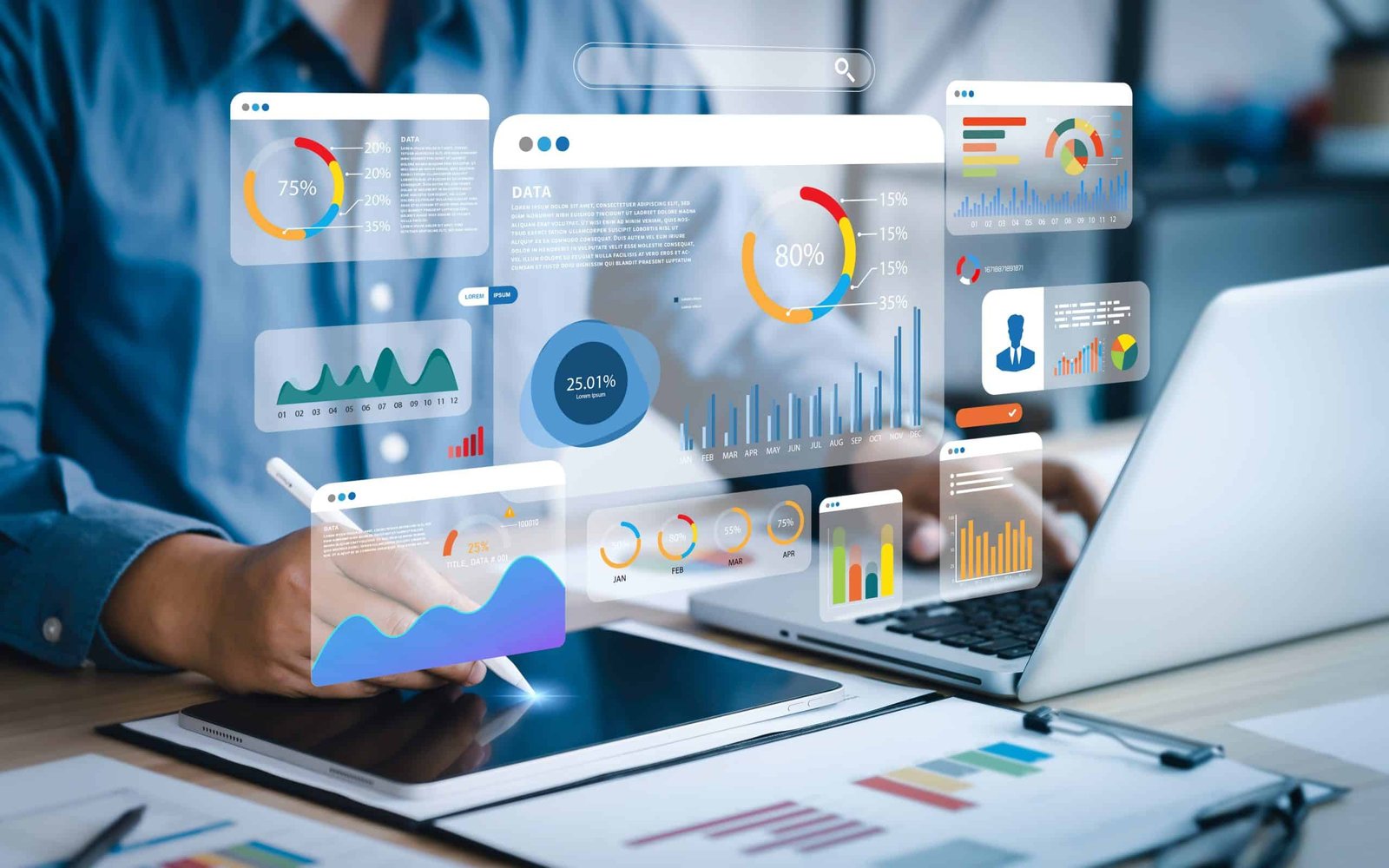
Data-driven marketing is not an option anymore — it is the foundation of scalable business growth.
Data-Driven Campaign Optimization
One of the core pillars of performance marketing is data-driven optimization, where every campaign decision is based on real-time insights rather than assumptions or guesswork. Businesses can analyze detailed performance metrics such as click-through rates, cost per acquisition, conversion rates, bounce rates, and customer lifetime value to evaluate the effectiveness of their marketing efforts. This continuous feedback loop allows marketers to identify what is working and what is not, enabling them to refine targeting strategies, adjust bidding models, and improve creative assets to achieve better results over time.
This analytical approach ensures that marketing budgets are utilized efficiently, reducing unnecessary ad spend while increasing the return on investment for each campaign. By leveraging A/B testing, audience segmentation, and predictive analytics, businesses can continuously improve campaign performance and ensure that their marketing efforts remain aligned with evolving customer expectations. This level of precision and adaptability is what makes performance marketing one of the most powerful growth tools available in the modern digital landscape.
Multi-Channel Marketing Integration
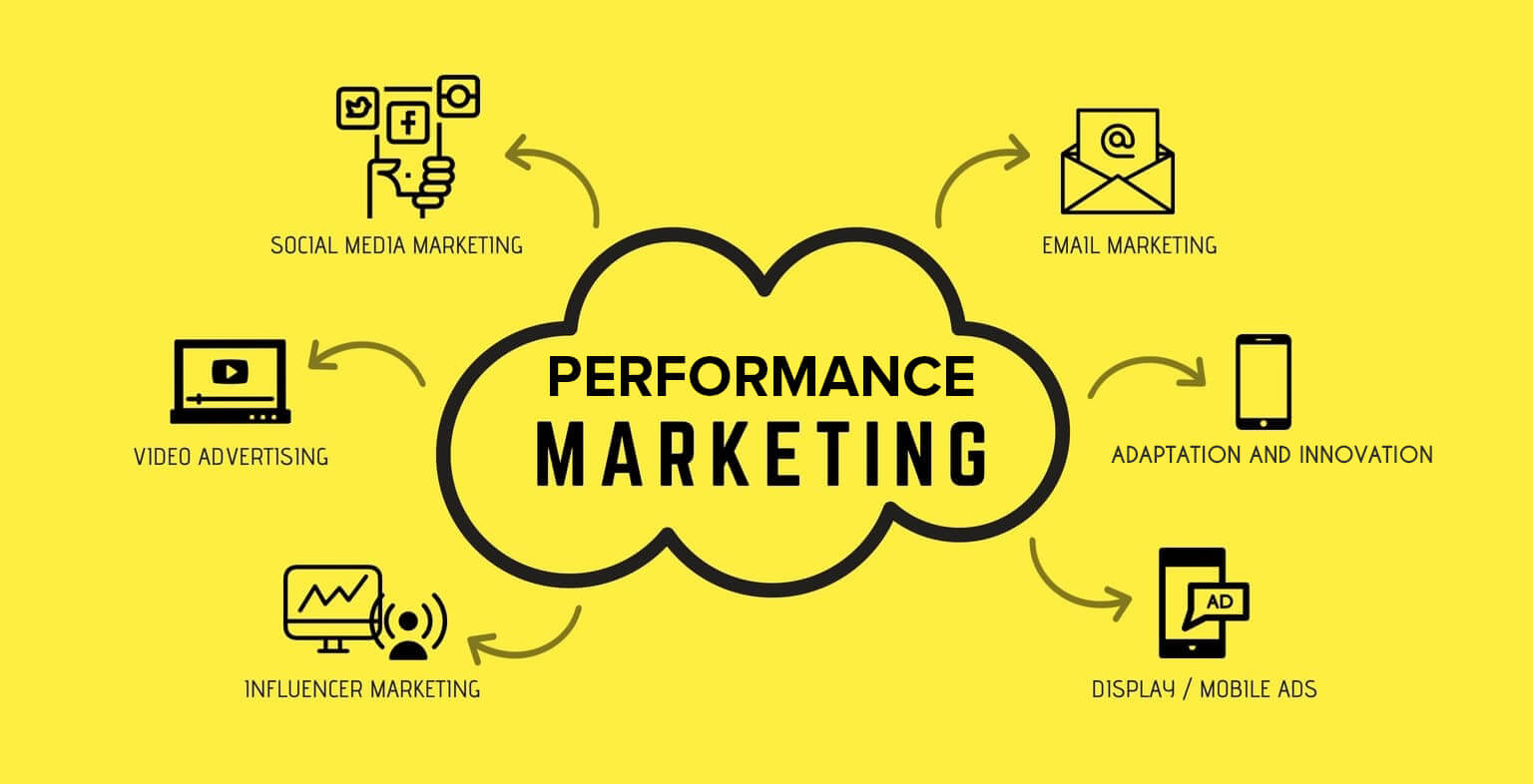
In today’s digital ecosystem, customers interact with brands across multiple platforms including search engines, social media, email, websites, and mobile applications, making it essential for businesses to adopt a multi-channel performance marketing approach. By integrating campaigns across different platforms, organizations can ensure consistent messaging, improved brand visibility, and higher engagement rates throughout the customer journey. Each channel plays a unique role in influencing user behavior, from awareness and consideration to conversion and retention, making coordination between platforms critical for success.
Effective multi-channel integration allows businesses to create seamless customer experiences where users can transition smoothly between platforms without losing context or engagement. This not only enhances brand recognition but also increases the likelihood of conversions by reinforcing messaging at multiple touchpoints. As customer journeys become more complex and non-linear, businesses that adopt integrated marketing strategies are better positioned to capture attention, nurture leads, and drive consistent performance across all digital channels.
Conclusion
Performance marketing has fundamentally transformed the way businesses approach digital growth by shifting the focus from traditional advertising models to highly measurable, data-driven strategies that prioritize results and efficiency. This transformation has enabled organizations to gain deeper insights into customer behavior, optimize marketing investments, and achieve scalable growth through continuous performance improvement. As competition continues to intensify across digital platforms, businesses that embrace performance marketing are able to maintain a significant competitive advantage by making smarter, faster, and more informed decisions.
In the coming years, performance marketing will continue to evolve with advancements in artificial intelligence, automation, and predictive analytics, further enhancing the ability of businesses to target audiences with precision and maximize return on investment. Organizations that invest in these strategies today will be better equipped to navigate the complexities of the digital landscape, adapt to changing consumer behavior, and achieve sustainable long-term growth in an increasingly performance-oriented marketing environment.
Leave a Reply